|
|
|
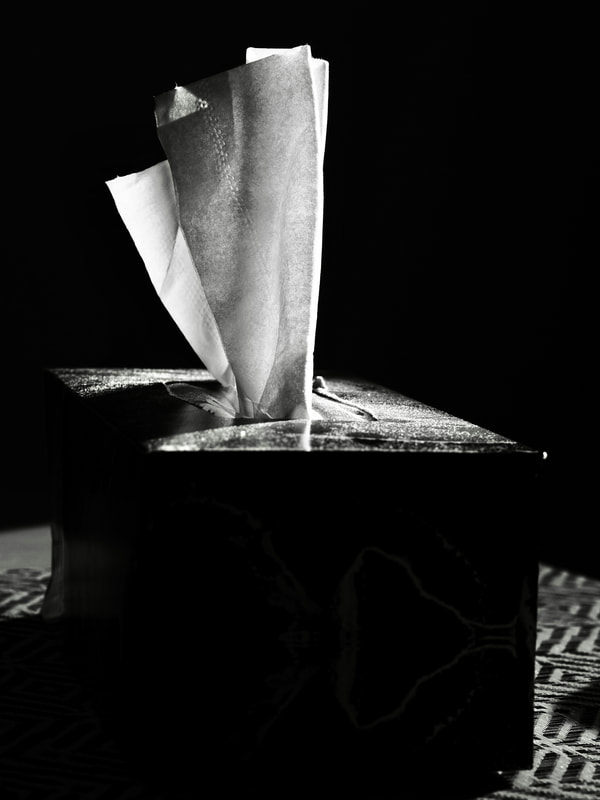
A tissue box? It's just what holds those paper squares you use to blow your nose, clean up messes, or whatever.
🩹 1. Box Types:
* Rectangle: This is the usual one, holding about 100-200 tissues.
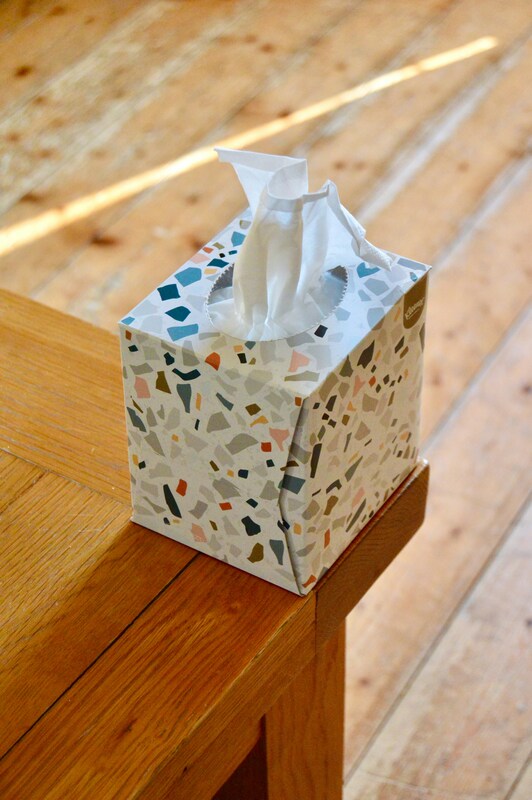
* Cube: A smaller, squarish box, good for 50-100 tissues.
* Mini: Tiny boxes for your car or when you're traveling.
What they're made of:
* Cardboard: Cheap, easy to toss out, and can be recycled.
* Plastic: Lasts longer, you can put more tissues in them.
* Fancy cases: Wood, bamboo, metal - meant to look nice at Tissue Box or in the office.
🧺 2. Tissue type:
a) Facial :
* Soft and thin, good for your face.
* Use them for makeup, runny noses, etc.
* Usually 2 or 3 layers thick - soft but not too weak.
b) Paper towels:
* Stronger and soaks up more.
* For cleaning up spills.
c) Napkins:
* For dinner, wiping hands.
* Not as soft as the face kind.
d) Wet wipes:
* Wet with water or cleaner.
* To clean hands or surfaces.
🌿 3. What's it made of?
* The paper: Could be new wood stuff, old recycled stuff, or even bamboo.
* Layers:
* 1 layer - thin and cheap
* 2 layers - normal for face tissues
* 3 layers - nicer, softer, stronger
* Extras: Some have lotion, aloe, or vitamin E to be nice to your skin.
♻️ 4. The Earth:
* Box recycling: Cardboard ones can be recycled.
* Natural Tissues: Made from plants, so they break down easier.
* Green choices: Bamboo or recycled tissues help save trees.
* No plastic: Some have no plastic to cut down waste.
🏠 5. What are they for?
* Personal: Blowing noses, cleaning your face and hands.
* Beauty: Taking off makeup.
* Cleaning: Wiping things, like mirrors.
* Eating: Instead of fabric napkins.
* Health: Hospitals, clinics, Tissue Boxs.
🧩 6. How it's made:
* Pop-up: The tissues are folded so one pops up when you pull one out.
* Easy to get to: Slit on the top or side.
* Refills: Boxes you can put more tissues in.
* Waterproof: Some boxes keep out the wet.
🧼 7. Taking care:
* Keep them dry, or they'll get messed up.
* Keep them out of the sun, so they don't change color.
* Clean refillable boxes from time to time.
💰 8. Numbers:
* Size: About 18–22 cm square
* How many: 50–200 tissues
* Layers: 1–3
* Thickness: How heavy the paper is (12–18 gsm)
* Box size: about 10x10x10 cm for cube and 24×12×7 cm for rectangle
🧾 9. How they make them:
* Make the paper gunk: Turn wood or bamboo into mush.
* Clean and soften:
* Make sheets : Spread it out and dry it to become thin layers of paper.
* Cut and make bumpy: This makes it feel nice.
* Fold it: For the pop-up thing.
* Box it up: Put them in boxes and close them up.
🚗 10. Odd types:
* Car boxes: Small ones for your car.
* Pretty boxes: Wood, fabric, or leather covers to look fancy.
* Travel packs: Small, easy to carry.
* Fancy tissues: Really soft, smell good, or have lotion.
🩹 1. Box Types:
* Rectangle: This is the usual one, holding about 100-200 tissues.
* Cube: A smaller, squarish box, good for 50-100 tissues.
* Mini: Tiny boxes for your car or when you're traveling.
What they're made of:
* Cardboard: Cheap, easy to toss out, and can be recycled.
* Plastic: Lasts longer, you can put more tissues in them.
* Fancy cases: Wood, bamboo, metal - meant to look nice at Tissue Box or in the office.
🧺 2. Tissue type:
a) Facial :
* Soft and thin, good for your face.
* Use them for makeup, runny noses, etc.
* Usually 2 or 3 layers thick - soft but not too weak.
b) Paper towels:
* Stronger and soaks up more.
* For cleaning up spills.
c) Napkins:
* For dinner, wiping hands.
* Not as soft as the face kind.
d) Wet wipes:
* Wet with water or cleaner.
* To clean hands or surfaces.
🌿 3. What's it made of?
* The paper: Could be new wood stuff, old recycled stuff, or even bamboo.
* Layers:
* 1 layer - thin and cheap
* 2 layers - normal for face tissues
* 3 layers - nicer, softer, stronger
* Extras: Some have lotion, aloe, or vitamin E to be nice to your skin.
♻️ 4. The Earth:
* Box recycling: Cardboard ones can be recycled.
* Natural Tissues: Made from plants, so they break down easier.
* Green choices: Bamboo or recycled tissues help save trees.
* No plastic: Some have no plastic to cut down waste.
🏠 5. What are they for?
* Personal: Blowing noses, cleaning your face and hands.
* Beauty: Taking off makeup.
* Cleaning: Wiping things, like mirrors.
* Eating: Instead of fabric napkins.
* Health: Hospitals, clinics, Tissue Boxs.
🧩 6. How it's made:
* Pop-up: The tissues are folded so one pops up when you pull one out.
* Easy to get to: Slit on the top or side.
* Refills: Boxes you can put more tissues in.
* Waterproof: Some boxes keep out the wet.
🧼 7. Taking care:
* Keep them dry, or they'll get messed up.
* Keep them out of the sun, so they don't change color.
* Clean refillable boxes from time to time.
💰 8. Numbers:
* Size: About 18–22 cm square
* How many: 50–200 tissues
* Layers: 1–3
* Thickness: How heavy the paper is (12–18 gsm)
* Box size: about 10x10x10 cm for cube and 24×12×7 cm for rectangle
🧾 9. How they make them:
* Make the paper gunk: Turn wood or bamboo into mush.
* Clean and soften:
* Make sheets : Spread it out and dry it to become thin layers of paper.
* Cut and make bumpy: This makes it feel nice.
* Fold it: For the pop-up thing.
* Box it up: Put them in boxes and close them up.
🚗 10. Odd types:
* Car boxes: Small ones for your car.
* Pretty boxes: Wood, fabric, or leather covers to look fancy.
* Travel packs: Small, easy to carry.
* Fancy tissues: Really soft, smell good, or have lotion.